
You signed the contract with an SEO company, they promised results, and now three months later your phone still isn’t ringing any more than it was before. Sound familiar? A lot of criminal defense attorneys have been there, and it’s one of the most frustrating experiences in running a legal practice. You know you need to show up on Google, but nobody seems to give you a straight answer about when that’s actually going to happen.
There’s no magic number that works for every attorney in every market. But there is a realistic timeline you can plan around, and understanding it will help you make smarter decisions about your marketing budget. Whether you’re a solo practitioner in Pittsburgh or managing a small firm in a busy metro market, the same core principles apply.
This post breaks down exactly what to expect, what moves the needle, and why starting sooner rather than later is one of the best business decisions you can make for your practice.
Why Criminal Defense SEO Is a Competitive Battlefield
Criminal defense is one of the most cutthroat SEO niches on the internet, and the numbers back that up. Legal keywords like “DUI attorney,” “drug charge lawyer,” and “assault defense attorney” carry some of the highest advertising costs of any industry online, which tells you exactly how much money is being fought over in that space.
Part of what makes it so difficult is who you’re up against. It’s not just other local law firms. National directories like Avvo, FindLaw, and Justia have spent years and millions of dollars building online authority that’s extremely hard to displace. They often own the first page of Google before a single local attorney gets a look in.
Larger firms with bigger marketing budgets also have a head start. They’ve been investing in SEO longer, have more content, and have built up more backlinks over time. That doesn’t mean you can’t compete, but it does mean your timeline is shaped by the strength of the opposition in your specific market.

The Realistic SEO Timeline for Criminal Defense Attorneys
Most attorneys want a straight answer, so here it is. You’re looking at roughly 3 to 6 months for early wins and 12 to 24 months to compete for the keywords that bring in felony cases and federal work. That timeline can shift depending on your market and your starting point, but it’s a solid benchmark to plan around.
This is how it typically breaks down month by month:
- Months 1 to 3: Foundation phase. Technical SEO gets sorted out, your website gets optimized, and your Google Business Profile gets properly set up according to local ranking factors. You won’t see much movement yet, but this work determines how fast everything else happens.
- Months 4 to 6: Early movement. Rankings start to shift, lower-competition keywords begin showing up on page one, and your Map Pack visibility starts to improve.
- Months 6 to 12: Competitive gains. You’re picking up consistent traffic, showing up for more searches, and the phone should be ringing more regularly.
- Months 12 to 24+: Dominance phase. This is where you start competing for the serious terms and building the kind of sustained lead flow that lets you be selective about which cases you take.
The attorneys who get frustrated and quit at month four are usually the ones who were just about to start seeing results.
Why Google Maps Rankings Come Faster Than Organic
If you’re waiting on organic search rankings to start generating leads, you could be waiting a while. Google Maps is a different story. Most criminal defense attorneys start seeing real movement in the local 3-pack within 60 to 90 days of properly optimizing their Google Business Profile, in many cases. That’s significantly faster than climbing the organic search results, and it’s often where your first calls are going to come from.
The Map Pack moves quicker for a few key reasons:
- Your Google Business Profile is a direct signal: Google pulls from your GBP data immediately, so a fully optimized profile gets noticed faster than a brand new website trying to build authority
- Reviews carry serious weight: even a handful of genuine five-star reviews can push you above attorneys who have more experience but a neglected profile
- Citation consistency matters: your name, address, and phone number need to match exactly across every directory online, and cleaning that up shows results relatively quickly
- Proximity plays a role: Google factors in relevance, distance, and prominence when determining which businesses show up for “near me” searches, which gives local attorneys a natural advantage over national directories
- Low-competition local terms are winnable early: ranking for something like “DUI attorney [specific Pittsburgh suburb]” is much more achievable in the short term than competing for broad statewide keywords
Your Google Business Profile is often the fastest path to new cases while your organic SEO strategy builds momentum in the background.
Factors That Affect How Fast You Rank
No two law firms start from the same place, and that’s exactly why SEO timelines vary so much. These are the biggest factors that will either accelerate your results or slow them down.
How Old and Authoritative Your Website Is
Google puts a lot of weight on how long a website has been around and how trustworthy it looks based on links from other reputable sites. A brand new website is going to take longer to rank than one that’s been around for several years, even if the older site hasn’t been well maintained.
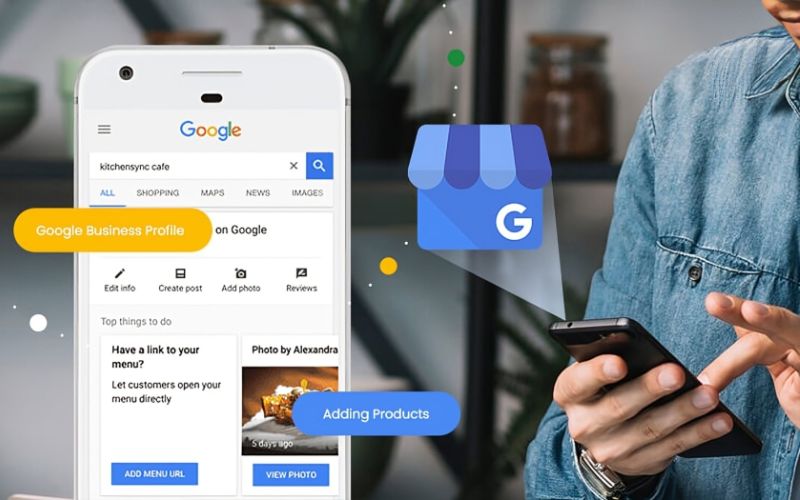
The Current State of Your Google Business Profile
An incomplete or poorly optimized GBP is one of the most common reasons attorneys don’t show up in local searches. Wrong categories, no posts, missing service areas, and sparse information all hurt your visibility more than most people realize.
Volume and Quality of Backlinks
Links from reputable websites tell Google your site can be trusted. A handful of strong backlinks from legal directories, local news sites, or bar association pages will move the needle faster than dozens of low-quality links from irrelevant sources.
How Competitive Your Specific Market Is
Ranking in a smaller Pittsburgh suburb is a very different challenge than trying to break through in downtown Pittsburgh. The more attorneys competing for the same searches, the longer it takes to rise above them.
Whether You’ve Done Any SEO Before
If your site has a history of good SEO work, you’re building on a solid foundation. If it’s never been optimized, you’re starting from scratch and the timeline reflects that.
What Speeds Up the Process (And What Slows It Down)
Knowing what drives your timeline gives you real control over your results. Some of these things you can fix quickly, others take consistent effort over time.
What Speeds It Up
- A strong technical foundation: a fast, mobile-friendly website with clean structure gives Google exactly what it needs to crawl and rank your pages
- Consistent content publishing: regularly adding helpful, relevant content signals to Google that your site is active and worth ranking
- Quality backlinks: earning quality backlinks from reputable legal organizations, local news outlets, and bar associations builds trust faster than almost anything else
- An active Google Business Profile: posting regularly, responding to reviews, and keeping your information updated all contribute to faster Map Pack movement
What Slows It Down
- Thin or duplicate content: pages that don’t say much or repeat the same information across your site are a red flag for Google
- An ignored Google Business Profile: leaving your GBP incomplete or inactive is one of the fastest ways to fall behind local competitors
- No link building strategy: without backlinks, your site has very little authority in Google’s eyes regardless of how good your on-page SEO is
- An outdated website platform: slow load times, poor mobile experience, and outdated code all work against your rankings
The biggest trap most attorneys fall into is treating SEO like a one-time project. Consistent effort is what separates the attorneys who own their market from the ones still wondering why their competitor keeps showing up first.
Is SEO Worth the Wait for Criminal Defense Attorneys?
Look at the numbers for a second. If you’re paying $500 per lead to a legal directory, and it takes five leads to sign one client, that’s $2,500 in acquisition costs for a single case. A well-executed SEO strategy brings that cost down dramatically over time because organic leads don’t come with a per-click price tag attached.
The real difference between SEO and paid directories is ownership. When you pay for leads, you’re renting someone else’s platform. The moment you stop paying, the leads stop coming. SEO builds something you own, and it keeps working for you even when you’re in the courtroom.
Felony cases can generate tens of thousands of dollars in fees. If your SEO investment over six months brings in even two or three cases you wouldn’t have landed otherwise, the return speaks for itself.
The attorneys who build strong online presences aren’t necessarily the most experienced in their market. They’re the ones who started investing earlier than their competitors and stayed consistent long enough to see it pay off.
Start Now Before Your Competitor Does
Every month you delay is another month your competitor is pulling ahead in the rankings, picking up cases that could have been yours, and building an authority that gets harder to catch up to over time. The attorneys who wait for the “right time” to start SEO often find themselves two years behind the ones who didn’t.
At Techniques Marketing Strategists, we work with criminal defense attorneys across Pittsburgh and throughout the US to offer the best SEO for criminal defense lawyers near me, generating real, qualified leads without the high per-lead cost of legal directories. If you’re ready to stop renting visibility and start owning it, we’d love to talk.
Reach out today at tmark.net or call 412-833-4543 to find out exactly where your practice stands and what it’s going to take to get you ranking where you belong.